

Cross-Territorial Coalition
RtD serves as convener/facilitator for the Cross-Territorial Coalition
Who We Are
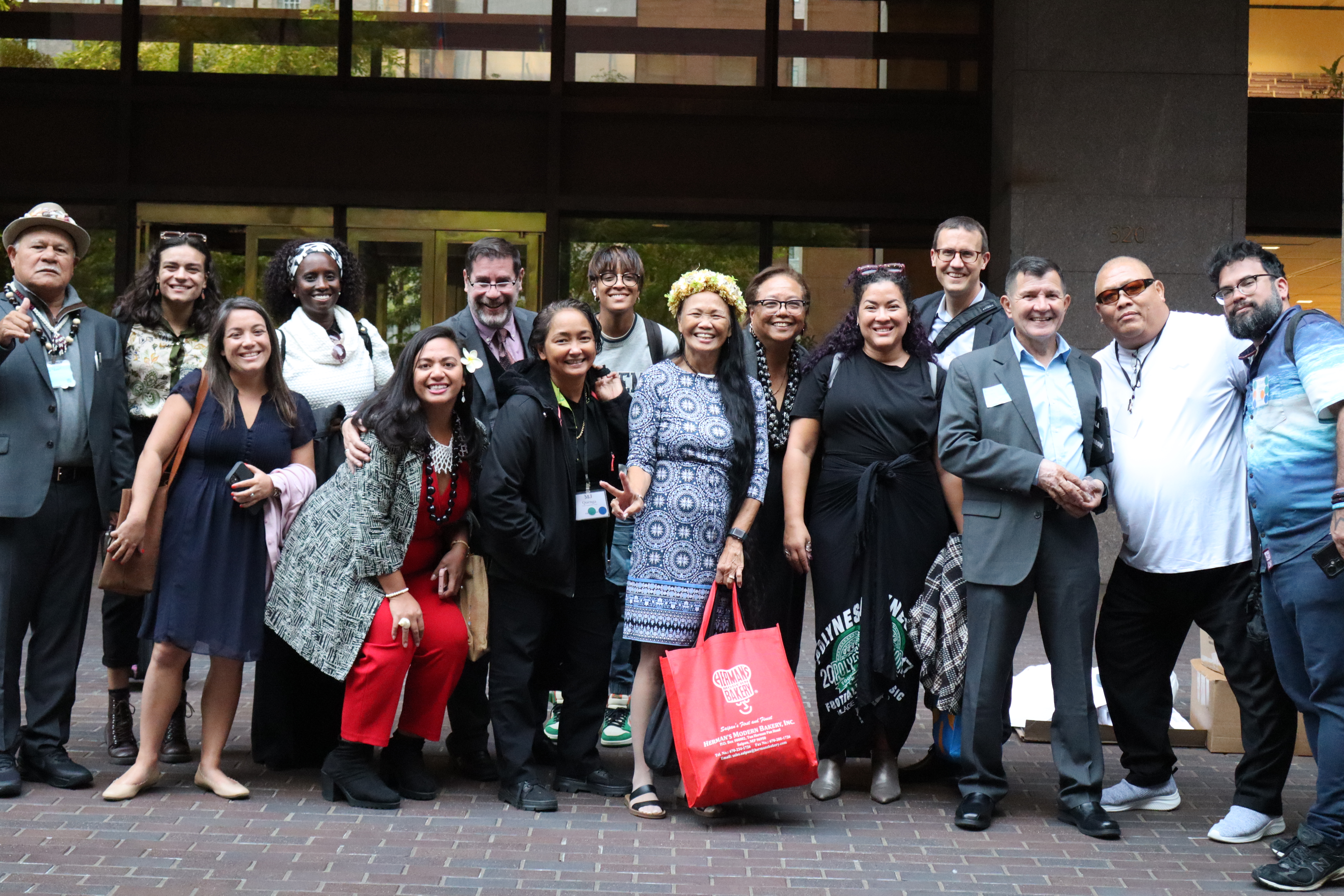
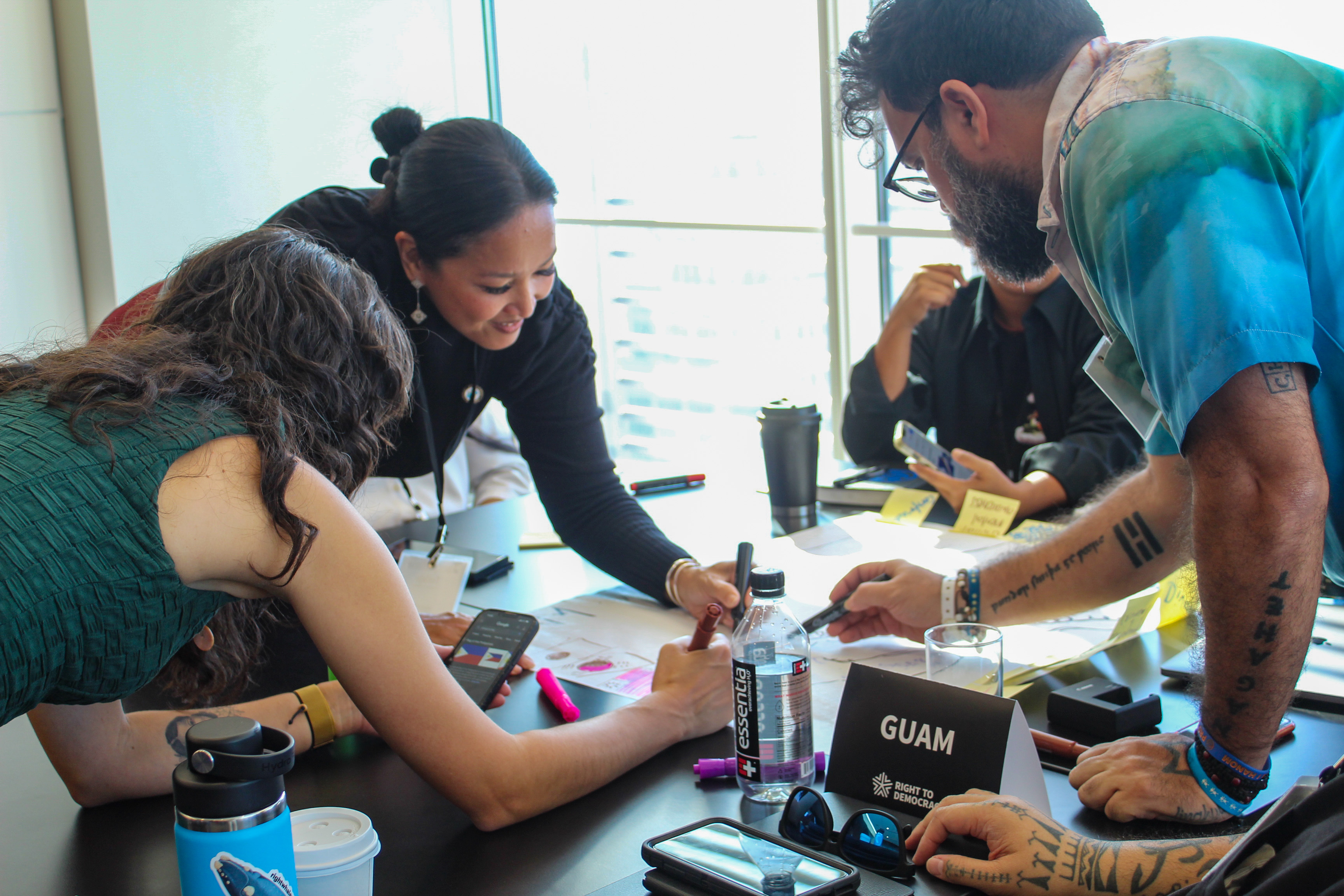
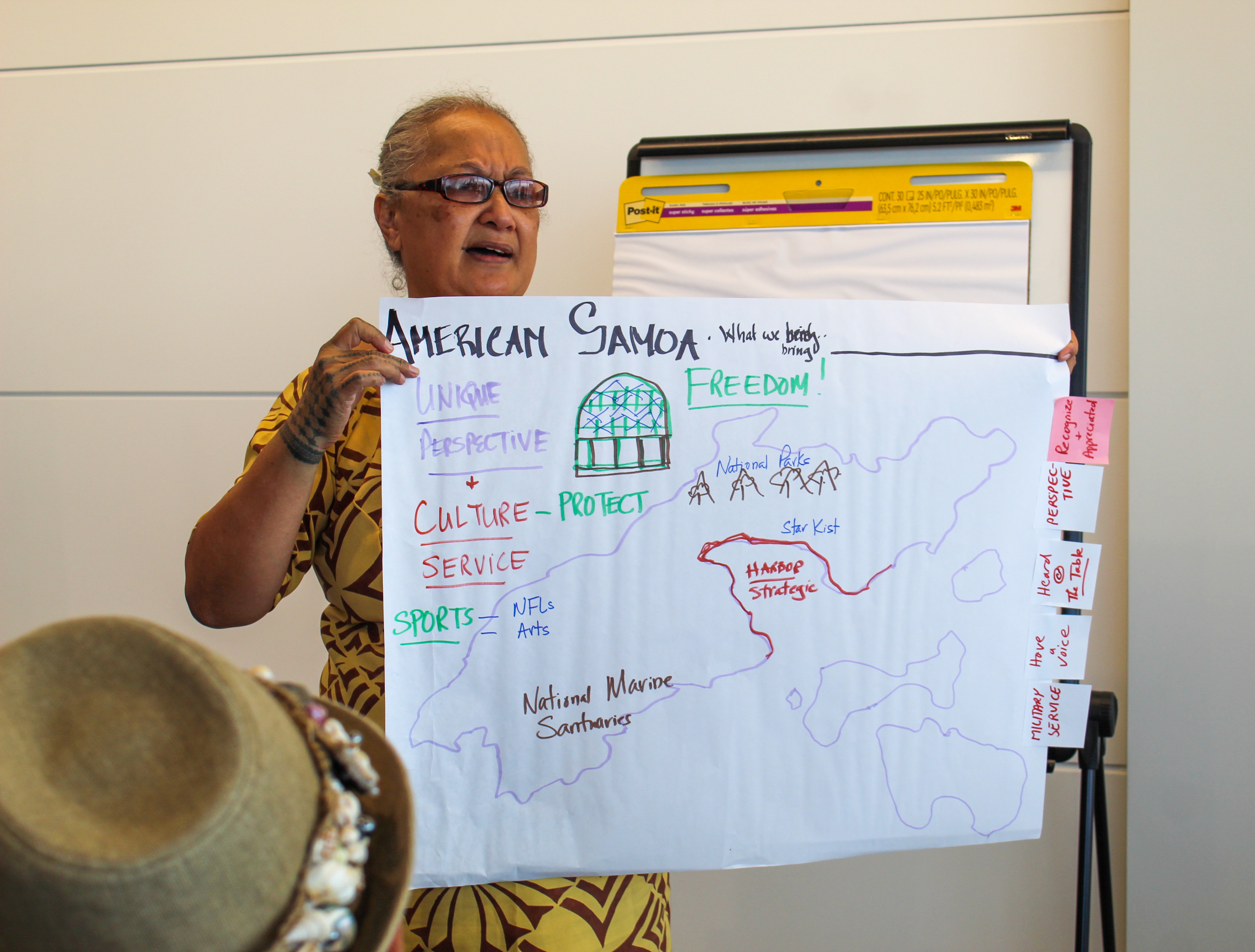
After gathering at Right to Democracy's Summit on U.S. Colonialism on October 2023, a group of leaders, advocates, and community organizations from all 5 U.S. territories and their diasporas came together to form the Cross-Territorial Coalition further to foster communication, solidarity, and common goals:
Goals of the Coalition
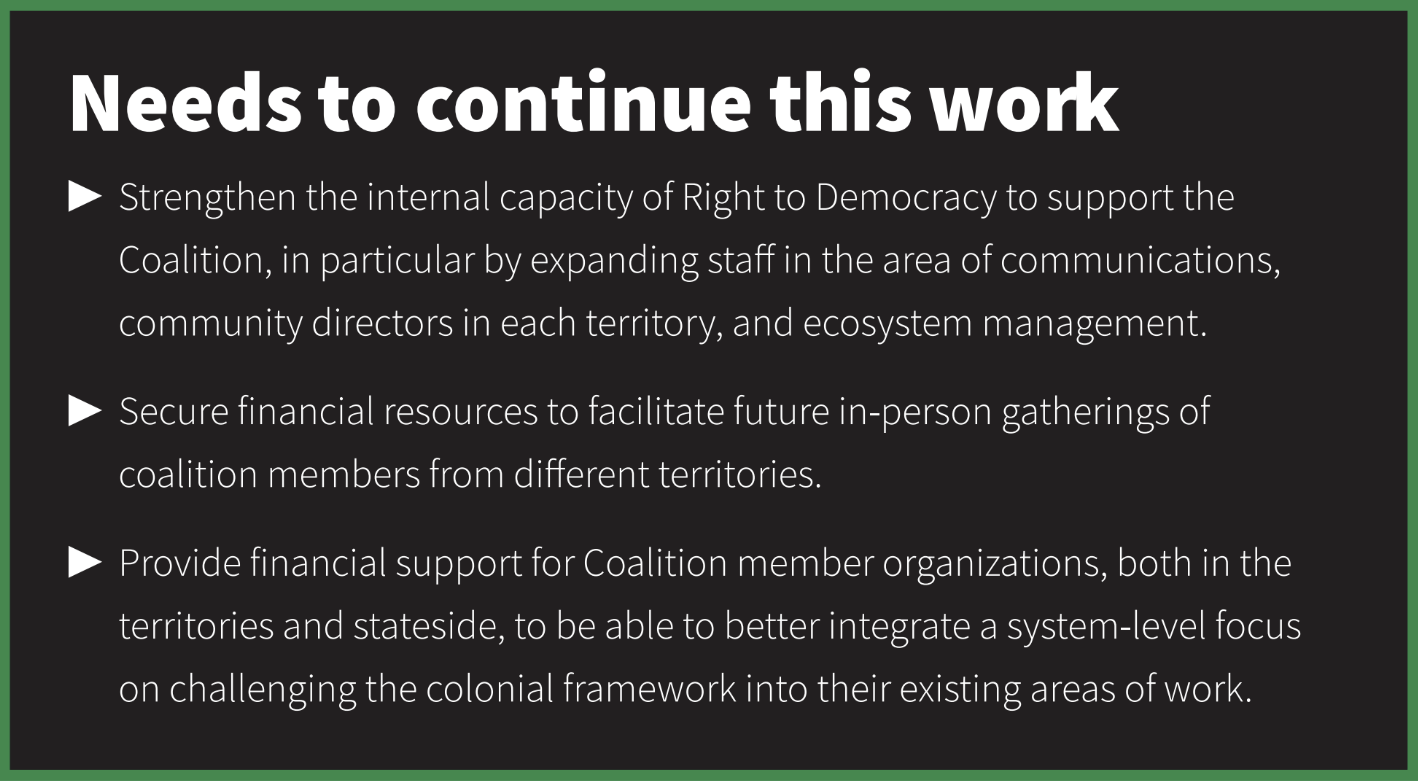
▶ Build a strong foundation centered on solidarity, trust, and shared values that allows the Coalition to scale and expand its scope of impact in a sustainable manner.
▶ Grow the Coalition to include leaders and organizations from each territory and throughout the United States that reflect a broad diversity of experiences, expertise, backgrounds, and perspectives.
▶ Embrace common ground while respecting differences in order to avoid divisions that have historically held back efforts to challenge the colonial framework in U.S.
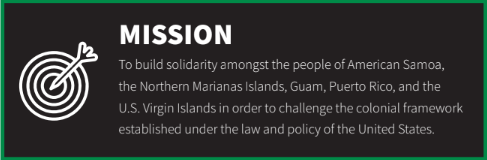
To learn more about how the Coalition came about and our ongoing mission see the Building a Movement Report
What we believe
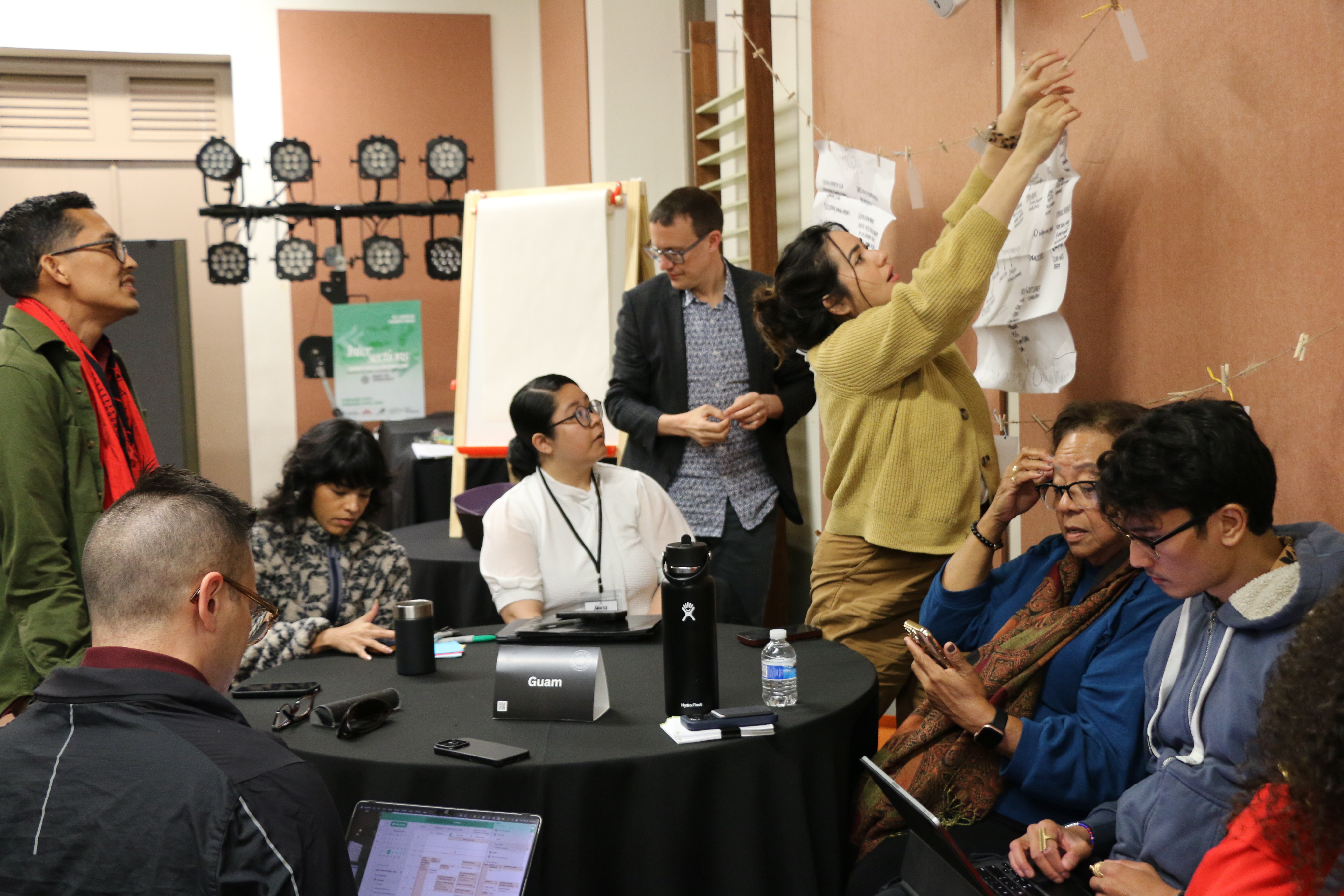
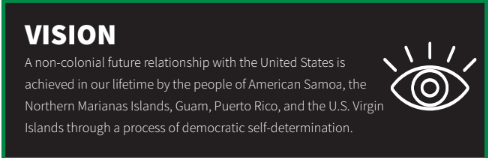
This Cross-Territorial Coalition has come together due to shared values and shared experience to work towards advancing just self-determination processes in American Samoa, Commonwealth of Northern Marianas Islands, Guam, Puerto Rico and U.S. Virgin Islands.
The Coalition hopes to center these in pursuit of various goals that could include:
- Building solidarity across all 5 U.S. territories.
- Growing cross-territorial knowledge and networks
- A strong, unified effort to educate about and help bring an end to the colonial framework currently represented by the U.S. territorial status
Acknowledging this, the coalition can also recognize and respect the differences that can exist across such a diverse group of people and organizations. As a result, the coalition understands the need to build a coalition culture that can center diversity, inclusion, belonging, respect, justice, and equity. All coalitions require this kind of culture, but we must be intentional when building processes and guidelines that honor and respect our unique situations as members of the U.S. territorial sphere.
We must create safe spaces where people of different status and political perspectives can have constructive - even if at times challenging - conversations and dialogue. If we only focus on what divides us rather than what unites us, systems-level change is impossible.
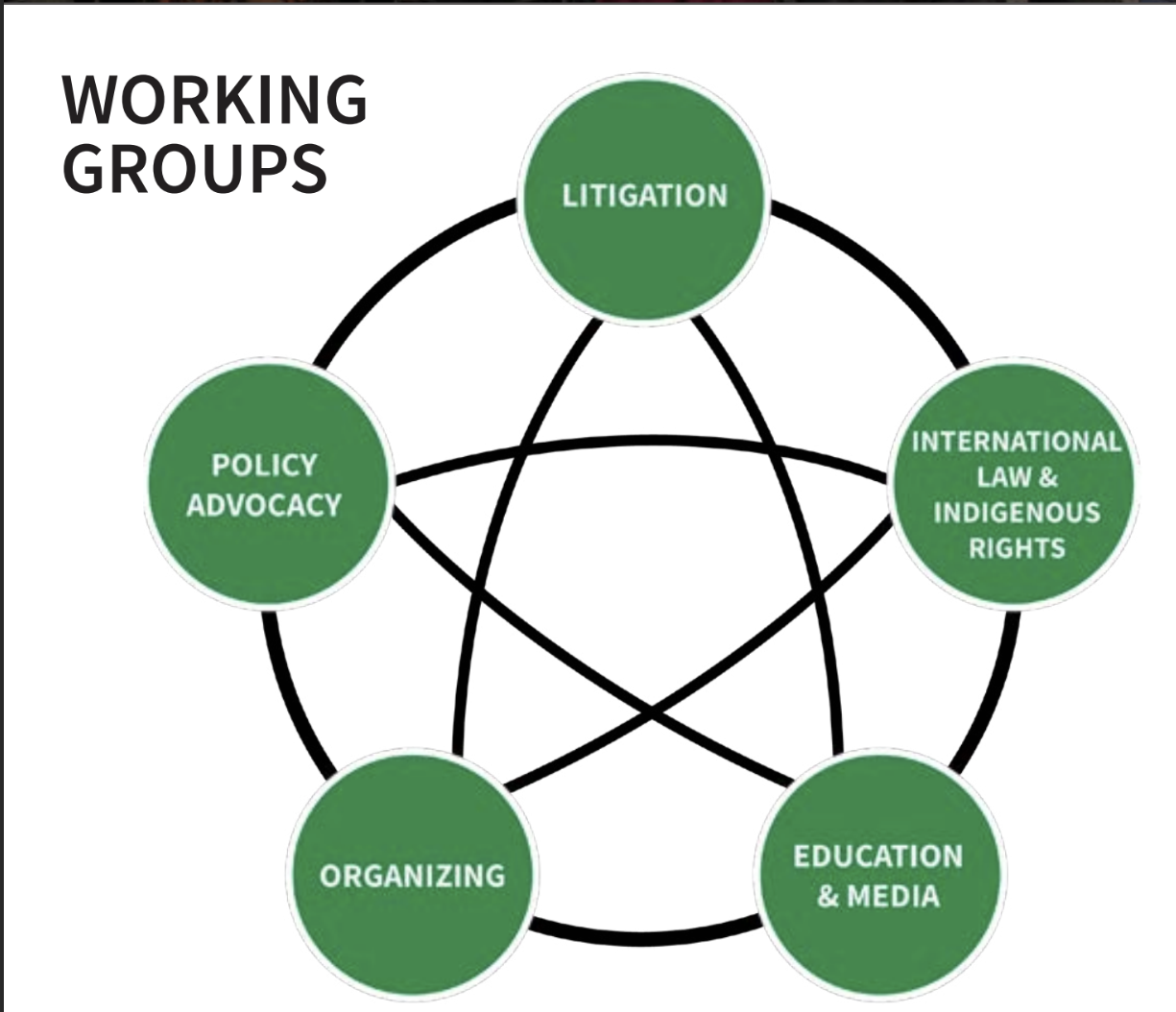
Working Groups/Committees
Do you like this page?